

Flickering lights in your older New England home can signal loose wiring, overloaded circuits, a compromised neutral, or deteriorating panel connections that generate dangerous heat. If several rooms flicker, especially when AC, dryers, or pumps start, schedule a licensed electrician’s code-compliant evaluation. Shut off the affected circuit and call promptly if you notice burning odors, buzzing, sparks, warm plates, or repeated breaker trips. A bulb or dimmer may be simple, but broader flicker requires careful diagnosis.
Are Flickering Lights a Fire Risk?
Flickering lights can pose a fire risk when they point to loose wiring, damaged connections, or deteriorating panel components that build resistance and heat at the fault. In older New England homes, you should treat whole-home flicker as a diagnostic signal, not a cosmetic annoyance. Multiple rooms dimming together may indicate loose connections at electrical panels, a compromised neutral, or service-equipment deterioration.
Overloaded circuits can create voltage fluctuations that overheat conductors, breakers, and terminations. Flicker that worsens when your AC or other high-demand equipment starts deserves code-compliant evaluation. A single LED may have a dimmer or driver mismatch, but persistent flickering lights require verification. Modern electrical safety inspections can identify damaged wiring, aging breakers, and weak connections before heat escalates. Don’t rely on resets or temporary fixes; schedule a qualified assessment to protect your system.
Emergency Signs That Need an Electrician
If you smell burning plastic, hear buzzing, or see sparks, shut off power at the breaker and call a licensed electrician immediately. Warm, discolored, or sooty wall plates can indicate overheating or arcing and require prompt professional inspection. You should also seek emergency service when breakers repeatedly trip or won’t reset, as these conditions can signal a dangerous fault.
Burning Smells and Buzzing
A burning smell or buzzing from a switch, outlet, dimmer, fixture, or electrical panel isn’t normal—it can indicate overheating, a loose connection, or active arcing. In older homes, don’t reset a circuit breaker and assume it’s solved. Shut off the affected circuit if safe, then arrange a licensed electrical inspection.
Watch for:
- Burning smells near devices or the main electrical panel
- Buzzing or crackling that changes with load
- Flickering lights across multiple rooms
- Suspected loose wiring or damaged electrical components
- Repeated breaker trips or unstable dimmers
Arcing can exceed 10,000°F, creating conditions for electrical fires before visible damage appears. A qualified electrician can use modern diagnostic tools to trace upstream faults, verify code-compliant connections, and determine whether the issue involves one device or your service equipment. Don’t wait for it to disappear.
Sparks or Warm Wall Plates
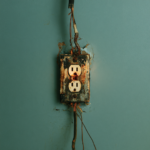
Sparks at an outlet or switch, along with warm, discolored, or scorched wall plates, signal unsafe heat buildup and possible arcing—not a minor wiring issue. If you see sparks while plugging in a device, smell heat, or notice burnt wall plates, stop using that location and call a licensed electrician immediately. Don’t remove covers or attempt a DIY repair; loose wiring and damaged connections can energize metal components.
Flickering that intensifies when central air or other motor-driven equipment starts may reveal deeper electrical issues in your Home’s wiring, including a loose neutral or aging terminations. Buzzing or crackling near warm discolored outlet covers further supports an arcing risk. Shut off the affected circuit if safe to do so, keep combustibles away, and request code-compliant diagnostics using modern thermal and load-testing tools.
Repeated Breaker Trips
Repeated breaker trips—particularly on the same circuit—aren’t normal and can signal an overload, a loose connection, or heat-producing resistance inside the wiring. In older homes, aging panels, aluminum wiring, and loose connections can create a circuit overload that worsens under surge demand. Don’t keep resetting a breaker; use a code-compliant diagnostic approach.
Watch for these alarm signs:
- Breaker trips immediately or within minutes
- Lights flicker when AC, dryers, or pumps start
- Buzzing or arcing sounds occur near outlets
- Wall plates feel warm or look discolored
- Burning smells accompany repeated breaker trips
These conditions may reveal a failing connection or undersized circuit components. Shut off affected loads, avoid improvised repairs, and preserve the breaker’s protective function. Call a licensed electrician. They can test terminations, load balance, panel capacity, and conductor condition safely.
Is It a Bulb, Dimmer, or Socket?

When a flicker stays confined to one lamp or fixture, start with the simplest localized causes: the bulb, dimmer, or socket. Turn power off, then check for a loose bulb and reseat it securely. Swap in a known-good bulb; if the issue follows the old bulb, its failing LED driver or aging filament is the likely cause of flickering lights.
Next, assess Bulb and Dimmer compatibility. Older dimmers may not support LEDs or their minimum load, causing hum, flicker, or unstable voltage. Test the bulb in another light fixture or try a compatible smart-rated dimmer. If properly seated bulbs still flicker only on one circuit, don’t assume Faulty Wiring—but don’t ignore the warning signs. Avoid experimenting near outlets or exposed contacts. Have a licensed electrician immediately inspect worn sockets, switches, and connections.
When Flickering Lights Mean Wiring Trouble
If flickering affects an entire room or persists after you replace the bulb, you may have a loose connection, worn switch, or damaged wiring upstream. Treat buzzing, burning odors, warm or discolored outlets, and repeated breaker trips as urgent warning signs of overheating or arcing. If lights flicker across multiple circuits or a breaker won’t stay reset, stop troubleshooting and call a licensed electrician.
Signs of Loose Connections
Flickering that stays in one room or follows a particular switch, outlet, or fixture can signal a loose electrical connection rather than a failing bulb. In older homes, treat these warning signs as a homes electrical system diagnostic, not a nuisance. Loose connections create resistance, heat, and potential arcing inside walls.
- Buzzing or crackling at a switch, socket, or fixture
- Warm wall plates during flickering
- Brief, erratic dim-to-bright stuttering
- Breakers that trip or won’t stay reset
- Intermittent power after installing a known-good bulb
A loose or damaged termination in aging copper or aluminum wiring can worsen through thermal expansion. Don’t remove devices or tighten conductors yourself; code-compliant testing requires proper equipment. Protect your safety, document where and when flickering occurs, and call an electrician to locate the unstable connection before heat damages insulation.
Warning Signals in Older Wiring
Older wiring can turn a simple flicker into a safety warning, especially when several fixtures in the same room dim, strobe, or brighten together. In homes built decades ago, these warning signs often trace to loose or faulty electrical components, including deteriorated conductors in junction boxes or light switch wiring. Resistance builds heat, creating conditions that can lead to arcing and overheating.
Pay attention if you hear buzzing or crackling, feel warm switch plates or outlets, notice burning smells, or see breakers trip repeatedly during lighting changes. Aluminum wiring can amplify this risk because thermal movement loosens connections over time. If new bulbs don’t correct persistent flicker across rooms, upstream neutral or line connections may be unstable. Treat these patterns as dangerous electrical indicators and document them for a code-conscious Safety Inspection. Modern diagnostic testing can pinpoint load-related faults before damage escalates.
When to Call an Electrician
Call a licensed electrician promptly when lights flicker across multiple rooms or throughout the home, as this pattern can signal a loose neutral, failing panel component, or another upstream service fault. Don’t treat flickering throughout your system as a bulb issue; these electrical faults can escalate quickly.
- You hear buzzing, crackling, or arcing.
- Breakers trip or won’t stay reset.
- You notice a burning odor near outlets or panels.
- Switches, plates, or receptacles feel warm or look discolored.
- AC, dryers, or pumps cause flickering lights repeatedly.
These signs require immediate professional assessment. Don’t open the panel or attempt repairs yourself. A licensed technician can use digital voltage testing and thermal imaging to locate hidden resistance, overheating conductors, and deteriorated connections. If bulb replacement doesn’t stop the issue, call an electrician to restore safe, code-compliant operation.
How Overloaded Circuits Cause Flickering Lights
When high-demand equipment starts, it can pull several times its normal operating current for a moment, causing a brief voltage drop that makes nearby lights dim or flicker. In older homes, overloaded circuits may struggle with modern electrical current demands from EV chargers, microwaves, home offices, and entertainment equipment.
Large appliances such as dryers, pool pumps, and air conditioners can create repeated voltage drops when they cycle. If flickering intensifies, don’t treat it as a minor inconvenience. Test by separating heavy loads to identify the source; avoid running a vacuum and microwave on the same circuit.
Persistent flicker, warm switches, buzzing, or breaker trips signals capacity concerns and possible connection heating. An electrician can verify code-compliant loading, install dedicated circuits where needed, and recommend scalable upgrades. Professional Electrical diagnostics help you protect your home while supporting smarter, higher-demand technology.
Why Older New England Panels Need Inspection
In many New England homes, decades of service can leave panel bus bars, breaker connections, and terminations corroded or loose, raising resistance and generating heat that may cause flickering throughout the house. Older New England panels may lack modern protection, allowing hidden hazards to persist.
- Lights flicker in multiple rooms
- AC cycling triggers voltage changes
- Aluminum terminations loosen over time
- Panel warmth or buzzing appears
- Burning odors signal serious electrical risk
These conditions are common causes of flickering lights, not merely a fixture-level cause. You shouldn’t remove a panel cover yourself. A licensed Electrician can perform a code-compliant Electrical inspection, including thermal imaging, to identify hotspots and worn breakers. Contact a qualified professional promptly if recurring flicker accompanies heat, noise, or odor.
Electrical Repairs That Stop Flickering Safely
Safe flicker repairs start with isolating simple causes, then testing the electrical system rather than guessing at a wiring fix. Shut off the breaker, verify power is off, and reseat or replace each light bulb. You may simply need to tighten the bulb to restore reliable contact.
If Lights still flicker, don’t attempt DIY rewiring. A licensed electrician can use voltage testing and thermal imaging to locate unstable supply, overheated splices, or failing aluminum-wire connections common in an older Home. They’ll inspect breaker terminals, bus bars, and service equipment for corrosion, soot, or abnormal heat.
Note whether flicker begins when an AC compressor or large appliance starts. You may need circuit redistribution or a dedicated line. Warm plates, burn marks, or arcing are dangerous. Protect your home: if you need expert diagnostics, Contact us today.
Frequently Asked Questions
Are Flickering Lights Harmful to Your Health?
Yes, flickering lights can affect your health, especially if you’re sensitive to flicker symptoms. You may experience eye strain, headache triggers, sleep disruption, or a migraine connection; flashing patterns can also increase seizure risk. Flicker doesn’t typically cause asthma aggravation or harm indoor air quality, but it can signal voltage imbalance. If you notice buzzing, heat, or odors, stop using the circuit and have a qualified electrician diagnose it.
Should I Be Concerned About Flickering Lights in My House?
Yes, you should investigate flickering lights, especially when they persist or affect multiple rooms. They can indicate loose wiring, faulty switches, aging fixtures, circuit overload, intermittent connections, voltage fluctuations, damaged dimmers, or wiring corrosion. Replace a bulb and test another fixture first. If you notice buzzing, burning outlets, heat, discoloration, or popping, shut off the circuit and call a licensed electrician. You’ll get code-compliant diagnostics and safer, data-driven repairs.
Why Do Electricians Never Ignore Flickering Lights?
Electricians never ignore flickering lights because you may have loose wiring, voltage fluctuations, or loose connections creating dangerous heat or arcing. They diagnose circuit overloads, neutral issues, dirty contacts, failing fixtures, aging sockets, and faulty dimmers before damage escalates. You’ll get a code-compliant assessment that separates simple component failures from service-panel or utility problems, protecting your electronics, improving system reliability, and reducing fire risk through targeted, modern testing.
Why Do Lights Flicker in an Old House?
Lights flicker in an old house because common causes include loose connections, outdated wiring, faulty switches, overloaded circuits, voltage fluctuations, bad dimmers, aging fixtures, or moisture intrusion. You can isolate whether flicker follows one fixture, outlet, or appliance, but don’t guess inside electrical boxes. If several rooms flicker or you notice heat, buzzing, or burning odors, hire a licensed electrician to diagnose and upgrade the system safely, meeting current code requirements.
Conclusion
Flickering lights aren’t always harmless, especially in older New England homes. While the “ghost in the wiring” theory may feel relatable, loose connections, overloaded circuits, aging panels, and failing sockets cause the real danger. You can replace a bulb, but don’t ignore hot switches, buzzing, burning smells, or repeated dimming. These warning signs can indicate fire risk. Have a licensed electrician diagnose the issue, make code-compliant repairs, and protect your home safely.


