A standard 120-volt Level 1 outlet adds only about 3 to 5 miles of range per hour, so it may not replace your daily driving overnight. A 240-volt Level 2 charger typically adds 12 to 40 miles per hour and uses dedicated wiring, breakers, and listed equipment for safer continuous charging. You’ll need a licensed electrician to verify panel capacity and code compliance. The details below can help you choose the right EV charger setup.
Level 1 vs. Level 2: Speed, Range, and Cost
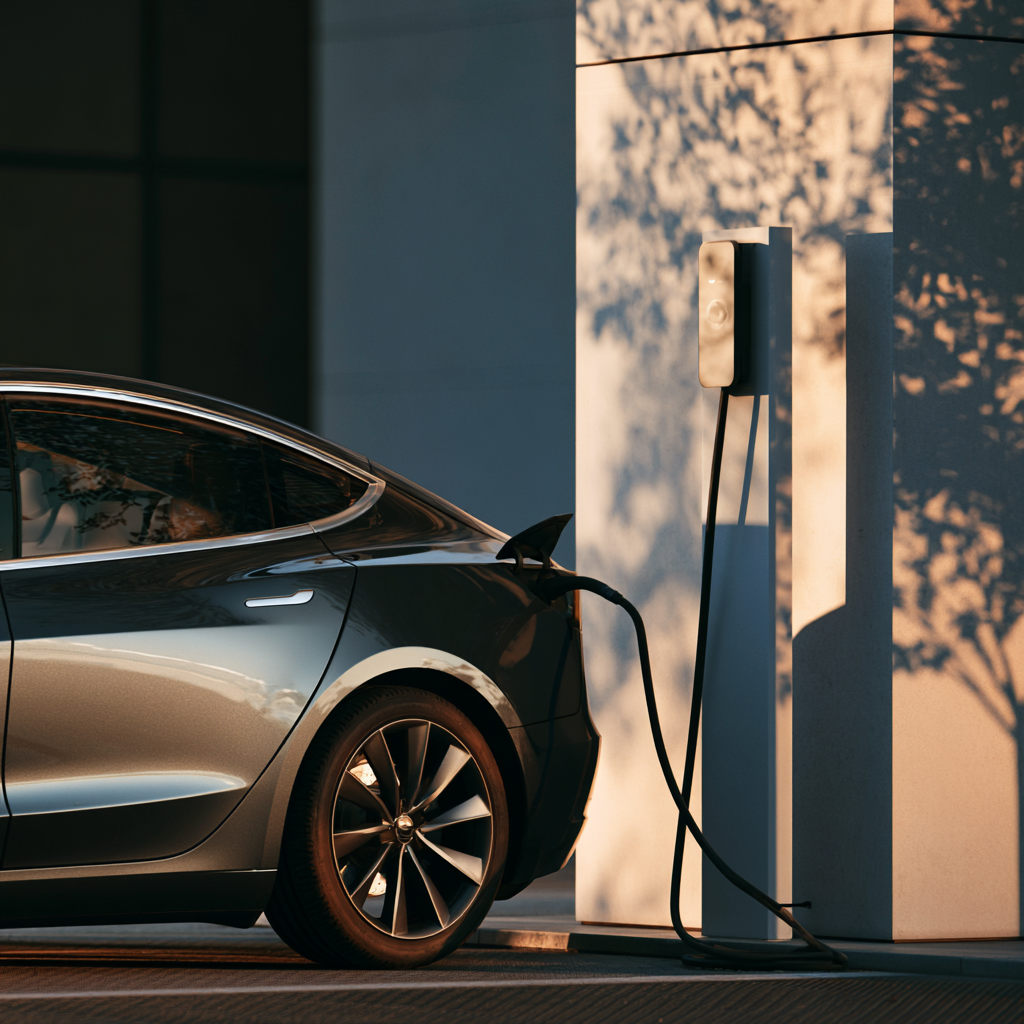
Level 1 charging uses a standard 120-volt household outlet, but its low power output typically adds only 3 to 5 miles of driving range per hour. You gain simple access and minimal installation expense, yet Level 1 costs can rise if inefficient charging extends utility use. A dedicated Level 2 unit operates on 240 volts, requiring a properly sized circuit, certified equipment, and professional installation. It delivers substantially greater power, making it better suited to daily driving, larger battery packs, and smart energy-management systems. Before upgrading, verify your vehicle’s Level 2 compatibility, onboard charger rating, panel capacity, and local electrical-code requirements. Don’t rely on extension cords or overloaded outlets; heat buildup and damaged wiring create avoidable fire risks. Level 2 infrastructure costs more upfront, but it gives you a safer, more scalable foundation for electrified mobility.
How Fast Does a Level 1 EV Charger Charge?
A typical Level 1 EV charger adds roughly 3 to 5 miles of range per hour from a 120-volt outlet, although your vehicle’s efficiency, battery temperature, and circuit capacity affect the result. You can expect an overnight session to restore about 25 to 50 miles, making Level 1 practical when you drive short daily distances and have reliable dwell time.
Because it draws modest power, Level 1 usually creates less grid impact and avoids many fast charging tradeoffs, such as higher demand peaks and more frequent high-power sessions. However, charging can slow in cold weather or when the battery’s thermal system runs. Use a dedicated, properly grounded outlet, inspect the cord for heat or damage, and avoid extension cords. A worn receptacle can overheat under continuous load, so have an electrician evaluate questionable wiring.
How Fast Does a Level 2 EV Charger Charge?
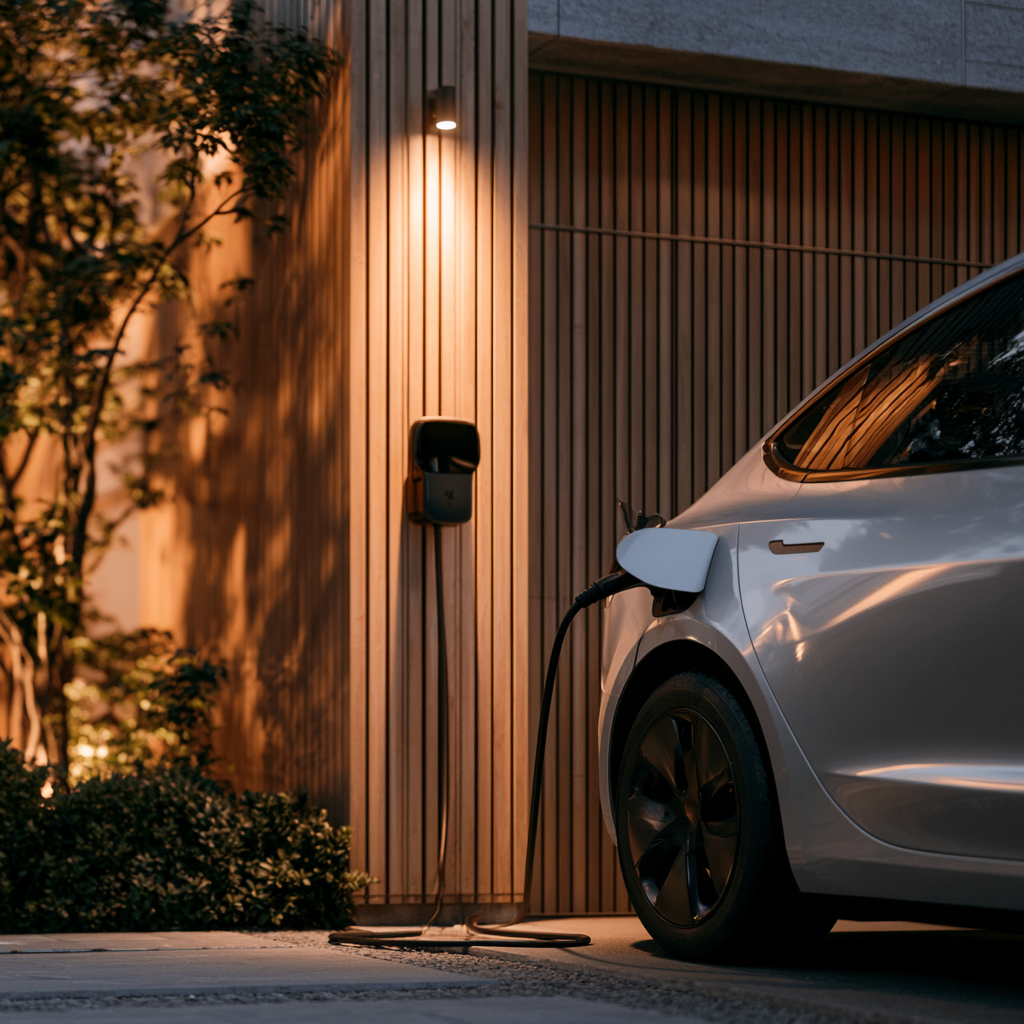
With a 240-volt circuit, a Level 2 charger typically adds about 12 to 40 miles of range per hour—roughly three to eight times faster than Level 1—depending on the charger’s amperage and your EV’s onboard charging limit. A 32-amp unit delivers about 7.7 kW, while a 48-amp hardwired model can provide up to 11.5 kW when your vehicle supports it.
You’ll get the best performance from a dedicated, properly sized circuit installed to local electrical code. Unlike a standard outlet, Level 2 equipment uses robust wiring, appropriate breakers, and listed connectors to manage sustained loads safely. Your actual charging speed may taper as the battery nears full or vary with temperature. For innovation-minded ownership, choose equipment with load management, smart scheduling, and capacity for future upgrades. These features can reduce quick overheads while helping your home electrical system operate reliably.
Can Level 1 Charging Meet Daily Driving Needs?
Daily driving can fit within Level 1 charging limits if you travel modest distances and can plug in for long, consistent overnight periods. A typical 120-volt outlet adds roughly 3 to 5 miles of range per hour, so an eight- to twelve-hour session may restore enough energy for a short commute. You’ll need to compare that recovery rate with your actual mileage, weather-related efficiency losses, and unexpected trips.
Level 1 offers a low-cost entry point, but it provides little margin when your schedule changes. You should use a dedicated, properly grounded outlet and inspect the charging cord and receptacle for heat or damage. Improper use of extension cords, overloaded circuits, or worn outlets creates safety concerns and can interrupt charging. Level 2 supplies substantially more range overnight, giving your EV greater operational flexibility.
When Does Level 1 Charging Make Sense?
Level 1 charging makes sense when your EV’s daily mileage stays low, you can plug in reliably for long overnight periods, and faster recovery isn’t essential. It suits predictable commutes, secondary vehicles, and drivers who return home early enough to replenish range gradually. You’ll get the best results from a dedicated, inspected 120-volt outlet with a properly rated circuit and no damaged cords, adapters, or overloaded power strips.
Compared with Level 2, Level 1 offers less energy throughput but can reduce upfront complexity if your charging window is generous. Don’t let fast charging myths push you toward unnecessary equipment; your real driving pattern should guide the decision. However, Level 1 isn’t ideal for frequent long trips, cold-weather range losses, or changing schedules. If your needs grow, home electrical upgrades can support a more resilient charging strategy.
What Does Level 2 Charger Installation Require?
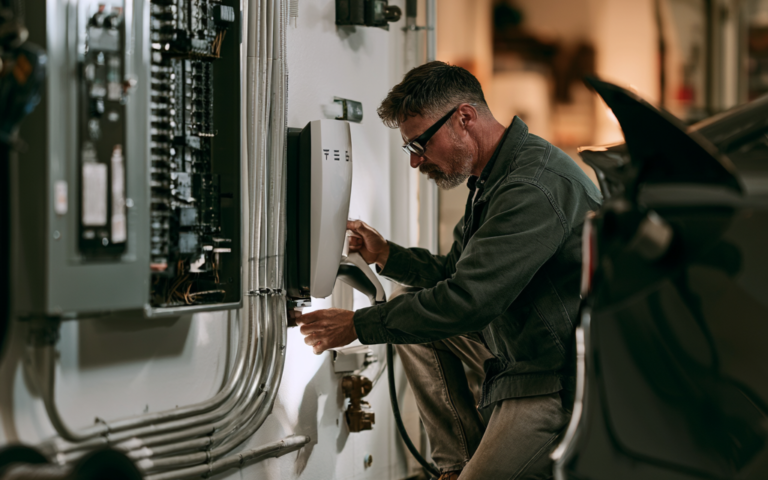
Installing a Level 2 charger requires a 240-volt dedicated circuit, correctly sized wiring and breaker, and equipment matched to your EV’s charging capability. Unlike a standard 120-volt outlet, this setup delivers higher current safely, so you’ll need a licensed electrician to assess panel capacity, load calculations, grounding, and local code requirements. Your installer may need to add a subpanel or upgrade service if existing loads leave insufficient capacity.
You should also select a protected location, route conduit where required, and use weather-rated components outdoors. Permits and inspections verify that connections, breaker sizing, and fault protection meet safety standards. Smart load management can reduce grid impact by shifting charging to off-peak periods. It also supports charging etiquette by preventing avoidable demand spikes in shared residential settings.
Which Level 2 Charger Is Right for Your Home?
Once your electrical system can support a 240-volt circuit, choose a Level 2 charger based on your EV’s maximum AC charging rate, available panel capacity, and intended use. A 32-amp unit suits many overnight charging routines, while a 40- or 48-amp hardwired model can replenish compatible vehicles faster. Don’t oversize equipment without verifying load calculations, breaker ratings, conductor sizing, and manufacturer requirements. Hardwired chargers generally support higher continuous output and reduce receptacle wear; plug-in models offer easier replacement and relocation. Select UL- or ETL-listed equipment with ground-fault protection, weather resistance for outdoor mounting, and intelligent load management. Smart connectivity lets you schedule off-peak charging and monitor energy use. For a two word discussion idea, compare app features and interoperability—not an unrelated topic—before prioritizing safety, reliability, and future vehicle compatibility.
Frequently Asked Questions
Can I Use an Extension Cord With a Level 1 EV Charger?
You can use an extension cord with a Level 1 EV charger only if your vehicle manufacturer permits it and you choose a heavy-duty, outdoor-rated cord sized for continuous load. Safety concerns include overheating, voltage drop, damaged insulation, and loose connections. Avoid lightweight household cords, power strips, and coiled cords. Plug directly into a dedicated, grounded outlet whenever possible; a properly installed Level 2 charger offers a safer, faster long-term charging solution.
Do Level 2 Chargers Work With Every Electric Vehicle?
Most Level 2 chargers work with your EV, but you must verify EV compatibility and charging standards. In North America, J1772 supports most non-Tesla vehicles, while Tesla vehicles may need an adapter; many newer models support NACS directly. You’ll also need a properly rated 240-volt circuit, professional installation, and charger output your vehicle can accept. A smart, certified EVSE adds monitoring, load management, and safer future-ready charging.
Will Charging My EV Increase My Home Insurance Costs?
Usually, charging your EV won’t raise home insurance costs automatically. For example, if you install a permitted Level 2 charger in your garage, your insurer may simply note the upgrade rather than increase your premium. However, unpermitted wiring or fire-risk installations can affect insurancedisclosures and coveragelimits. Compared with standard appliances, EV equipment draws sustained power, so use a licensed electrician, follow code, and notify your insurer to protect coverage.
Can I Charge an EV Outdoors in Rain or Snow?
Yes, you can charge an EV outdoors in rain or snow when you use certified equipment and follow manufacturer instructions. Modern EV connectors prevent energization until they lock securely, unlike ordinary extension cords. Address weatherproofing concerns by using a dedicated, properly grounded outlet or hardwired charger with suitable outdoor ratings. Keep connectors clean, avoid damaged cables, and don’t charge through standing water. Snow is generally manageable; inspect equipment before use.
Are Utility Rebates Available for Home EV Charger Installation?
Yes, utility rebates may offset your home installation costs—because upgrading your electrical system apparently shouldn’t be too easy. You’ll typically need an eligible Level 2 charger, a licensed electrician, permit compliance, and utility preapproval. Compared with standard-outlet charging, a dedicated 240-volt circuit improves charging speed and reduces overload risk. Check your utility’s current program, income requirements, and equipment list before buying; rebates often expire or require post-installation inspections.
Conclusion
Level 1 charging can cover light daily driving, but it’s like filling a bathtub with a garden hose: reliable, yet slow. At roughly 3–5 miles of range per hour, an overnight session may not replace a long commute. Level 2 typically delivers 20–40 miles per hour, giving you more flexibility and recovery time. If you install Level 2, use a properly sized circuit, listed equipment, and a qualified electrician—you’ll charge faster without compromising safety.