
In Southern New Hampshire and Northern Massachusetts, you’ll typically pay $2,000 to $5,500 for an electrical panel upgrade. Your final cost depends on whether you need 100-, 200-, or 400-amp service, plus panel condition, grounding, permits, utility coordination, and any meter, trenching, or wiring repairs. A licensed electrician should complete a load calculation and verify code compliance before work begins. Your home’s future EV, heat-pump, solar, or battery plans can also affect the right upgrade scope.
How Much Does an Electrical Panel Upgrade Cost Locally?
In Southern New Hampshire and Northern Massachusetts, an electrical panel upgrade typically costs $2,000 to $5,500, depending on your home’s service size, existing wiring, permit requirements, and whether the electrician must correct code or safety issues. You’ll generally pay less for a straightforward 100-amp panel replacement and more for a 200-amp service upgrade, meter work, grounding improvements, or trenching.
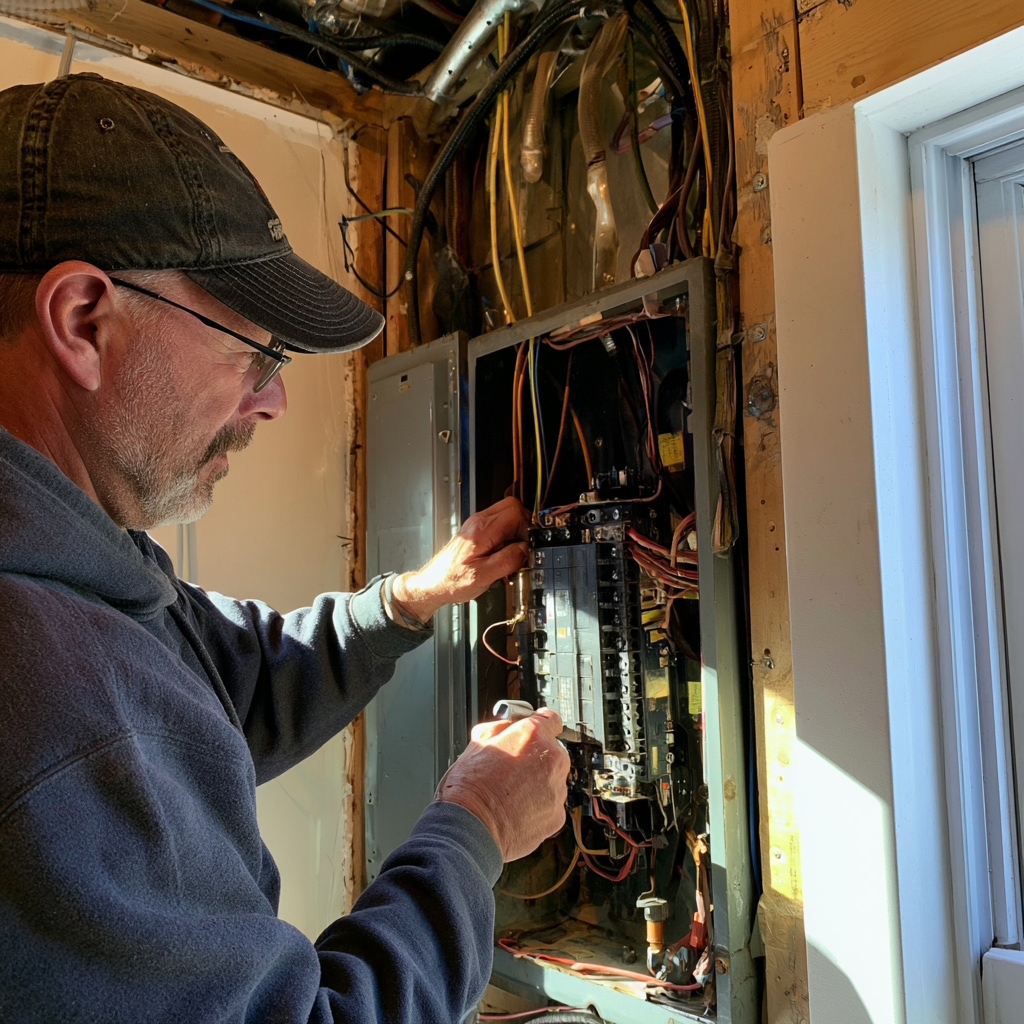
Your electrician should calculate load demand, obtain required permits, coordinate utility disconnects, and install listed equipment that meets current NEC and local requirements. Investing in smart-ready capacity can support EV charging, heat pumps, solar integration, and future electrification without compromising performance. Don’t choose solely by the lowest bid; confirm licensing, insurance, inspection coordination, installation safety practices, and warranty coverage. Quality workmanship protects panel longevity, reduces avoidable rework, and helps your electrical system operate reliably.
Signs You Need an Electrical Panel Upgrade
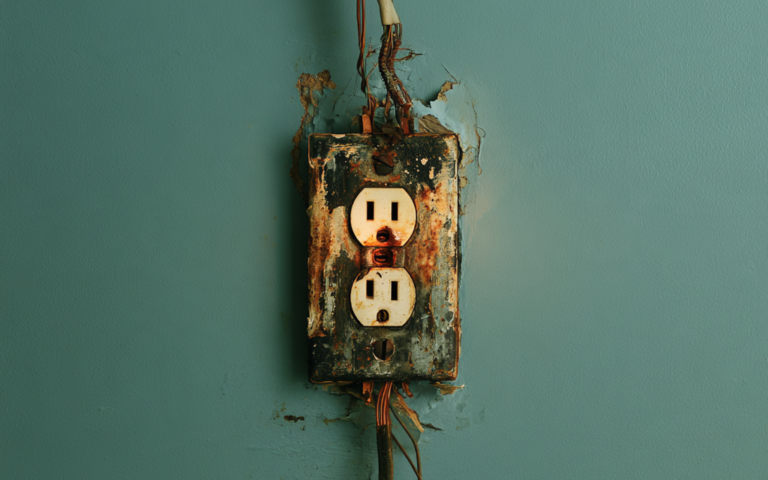
Cost matters, but your panel’s condition and capacity determine whether an upgrade can’t wait. You should schedule a licensed electrician’s evaluation if breakers trip repeatedly, lights flicker, the panel feels warm, or you notice buzzing, corrosion, burning odors, or discoloration. These warning signs can indicate overloaded circuits, loose connections, or equipment deterioration that requires prompt, code-compliant correction.
You may also need more capacity when adding EV charging, heat pumps, induction cooking, solar, battery storage, or equipment for a growing side hustle. Older panels with obsolete components, inadequate grounding, or no available breaker spaces can limit safe modernization. Southern New Hampshire and Northern Massachusetts weather patterns also increase electrical demands through heating, cooling, sump pumps, and backup-power needs. An upgrade helps you support resilient, efficient technology while protecting your home from preventable electrical hazards.
What Do 100-, 200-, and 400-Amp Panels Cost?
A 100-amp panel upgrade typically costs less, but it may not support larger homes, EV charging, or major electric appliances. You’ll generally pay more for a 200-amp panel, while 400-amp service requires substantially greater equipment, labor, and utility coordination. Your electrician should calculate your load and obtain required permits to assure the new panel meets current code.
100-Amp Panel Costs
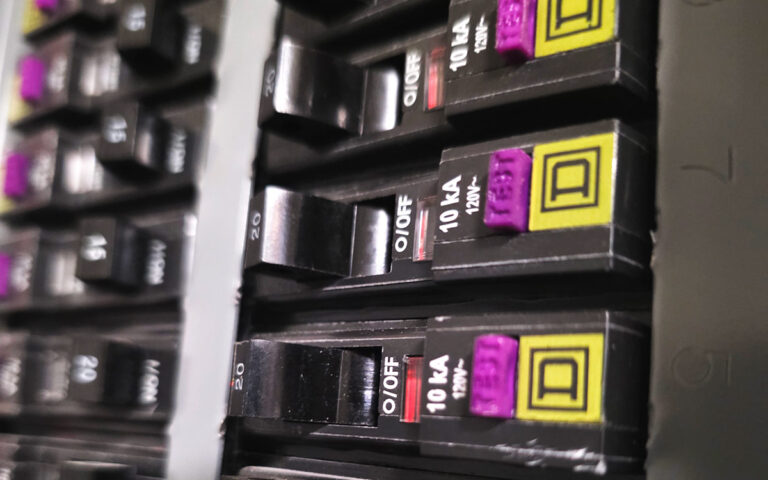
For a basic service, a 100-amp electrical panel upgrade typically costs less than larger options, but pricing still depends on the panel location, grounding, circuit count, permit requirements, and any code corrections your home needs. You may pay more if electricians must replace corroded feeders, add AFCI or GFCI protection, relocate equipment for required clearances, or update bonding. A licensed contractor should calculate your actual load rather than rely on panel size alone, ensuring the service safely supports your appliances and planned electrical improvements. Modern breaker options can improve panel security through clearly labeled circuits, surge protection, and compatible monitoring technology. If your project includes insulation upgrades, coordinate the work so insulation doesn’t obstruct panel access, wiring pathways, or required working space. Proper permitting and inspection protect your investment and confirm compliance.
200- And 400-Amp Pricing
Moving up to a 200-amp service typically costs more than a 100-amp upgrade because it may require larger feeders, a new meter base, service equipment, and additional code corrections; a 400-amp service can cost substantially more due to utility coordination, larger conductors, dual panels, and more extensive installation work.
For many Southern NH and Northern MA homes, you can expect a 200-amp upgrade to cost several thousand dollars, while 400-amp projects often reach five figures. Your final price depends on service location, trenching, panel capacity, permit requirements, utility fees, and needed repairs. An electrician should perform a load calculation, verify grounding and bonding, and coordinate inspections before installation. Investing in proper Panel safety protects your household and supports future EV charging, heat pumps, solar, and Smart home integration.
What Does an Electrical Panel Upgrade Quote Include?
An electrical panel upgrade quote should clearly identify the work required to replace or expand your electrical service safely. You should see the proposed panel amperage, breaker configuration, service equipment, grounding and bonding updates, and any required meter or disconnect work. It should document how the design supports your current electricity usage and planned technologies, such as EV charging, heat pumps, solar, battery storage, or smart-home systems.
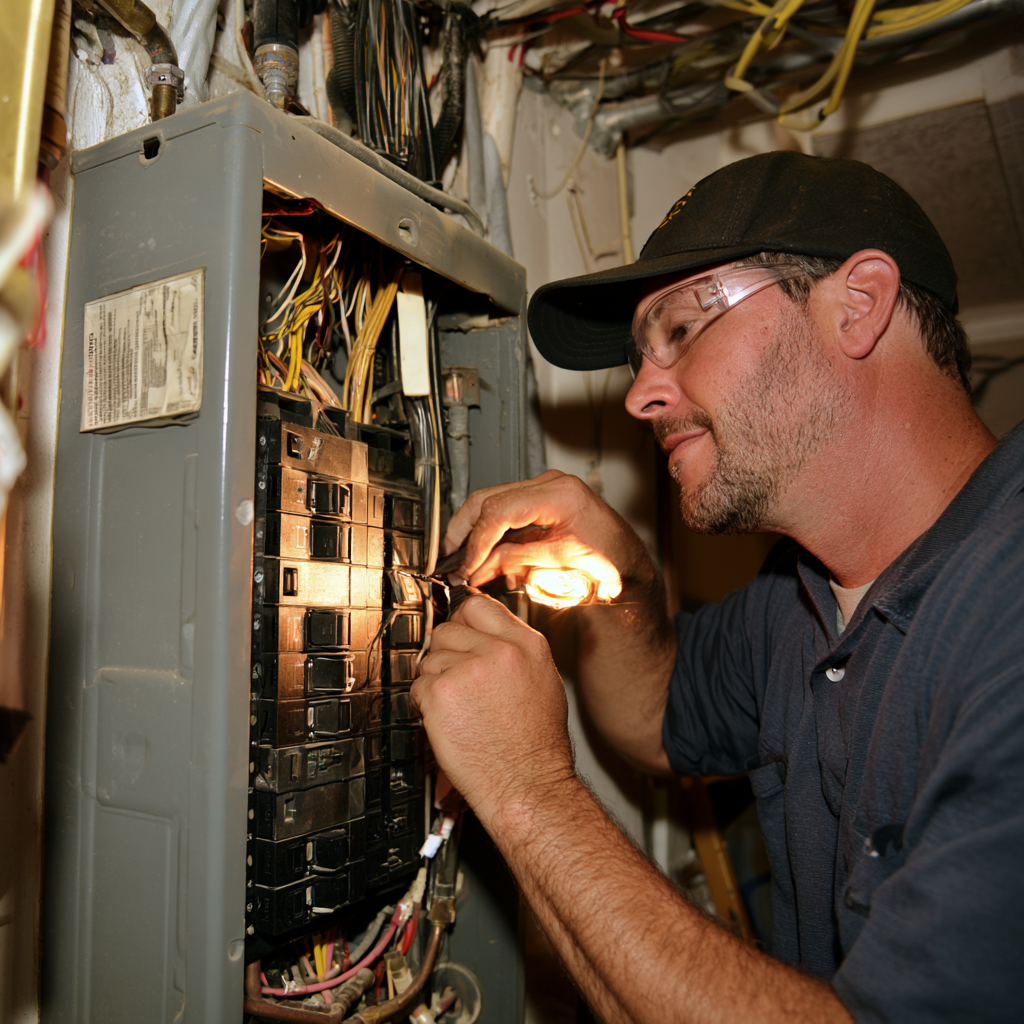
Your quote should also specify permit handling, utility coordination, inspection requirements, labor, materials, and a clear scope of electrical modifications. A qualified contractor will confirm that the installation meets applicable NEC provisions, local amendments, and utility safety standards. You’ll want written details about labeling, circuit testing, load calculations, and final commissioning so you know your upgraded system is safe, compliant, scalable, and ready for future demands.
What Raises Electrical Panel Upgrade Costs?
Several site-specific factors can raise the cost of an electrical panel upgrade beyond the price of the panel itself. If your existing wiring is damaged, undersized, improperly terminated, or lacks safe grounding and bonding, your electrician must correct those hazards to meet current code. Difficult access, finished-wall repairs, corrosion, water intrusion, or a panel located in a tight utility area can also add labor.
You may pay more for advanced equipment that supports your goals, including whole-home surge protection, generator interlocks, smart energy monitoring, or dedicated circuits for EV charging. Enhancements for storm safety, such as properly designed backup-power connections, require careful load planning and listed components. Solar readiness can add costs when you reserve breaker capacity, install compatible protective devices, or coordinate future battery integration. Permit requirements, inspection corrections, and local code updates may also affect your final investment.
When Does a Panel Upgrade Need New Service?
A panel upgrade needs a new electrical service when your home’s incoming service equipment can’t safely support the panel’s intended amperage. Proper panel sizing starts with a load calculation, then confirms service eligibility for present and planned demand.
You may need new service if you’re adding:
- EV charging, heat pumps, or induction cooking
- A larger main breaker than the existing service rating
- Solar, battery storage, or major workshop equipment
- Capacity for an addition, ADU, or electrified appliances
Your electrician evaluates the meter socket, service conductors, grounding, disconnects, and equipment ratings as one coordinated system. Installing a higher-rated panel alone doesn’t increase available power and can create unsafe assumptions about capacity. A service upgrade aligns every upstream component with your calculated load, supports modern energy technology, and helps your electrical system operate reliably under peak demand.
What Permits and Utility Approval Are Required?
You’ll need an electrical permit from your local authority before panel upgrade work begins. Your electrician coordinates with the utility company when the project requires a service disconnect, meter work, or increased capacity. After installation, you must pass the required inspection before the utility restores or approves service.
Local Electrical Permit Requirements
Before an electrical panel upgrade begins in Southern New Hampshire or Northern Massachusetts, your licensed electrician must obtain the required local electrical permit and coordinate any needed utility disconnect or meter work. Permit rules vary by municipality, so your contractor confirms the applicable code, filing method, and inspection requirements before work starts. This protects your home wiring, supports panel safety, and documents a compliant modernization.
- Submit permit applications to your city or town building department.
- Provide load calculations for EV chargers, heat pumps, or solar readiness.
- Schedule rough and final inspections when local rules require them.
- Keep approved permits and inspection records for insurance and resale.
You shouldn’t begin demolition or install equipment under an unapproved permit. A properly permitted upgrade helps ensure your new panel has accurate labeling, secure grounding, adequate capacity, and inspection-backed code compliance.
Utility Company Coordination Steps
Utility coordination ensures your panel upgrade can proceed safely when service conductors, the meter, or a utility disconnect require work. Your licensed electrician identifies whether the utility must disconnect power, relocate equipment, or approve a service-size increase. You’ll typically need an electrical permit from your local authority and a utility work request before modifying customer-owned equipment connected to the meter.
For a higher-capacity panel, confirm that your existing service interconnection supports the new amperage. The utility may require load data, a one-line diagram, meter-base specifications, and service entrance details. Your electrician coordinates the request, schedules any required shutdown, and follows the utility’s current standards for clearances, grounding, and equipment placement. Early utility coordination prevents delays, protects workers, and supports future-ready additions such as EV charging, solar, battery storage, or smart energy controls.
Inspection And Approval Process
Permits and inspections verify that your panel upgrade meets local code, utility requirements, and safety standards before power is restored. Your licensed electrician typically pulls the electrical permit, coordinates the utility disconnect, and schedules the final inspection with your town or city.
Plan permit timing early, especially when adding EV charging, solar readiness, or a higher service capacity. Approval can depend on:
- Load calculations confirming adequate service size
- Proper grounding, bonding, and surge protection
- Correct panel labeling and circuit directory updates
- Utility meter, service entrance, and disconnect compliance
You’ll avoid common inspection pitfalls by keeping equipment accessible, using listed components, and correcting deficiencies before the inspector arrives. After the authority having jurisdiction approves the work, the utility can reconnect or energize the service. Don’t operate the new panel until required approvals are complete.
How to Get an Accurate Local Panel Upgrade Estimate
To get an accurate panel upgrade estimate in Southern New Hampshire or Northern Massachusetts, schedule an on-site evaluation with a licensed electrician who can inspect your existing service, panel condition, grounding, load requirements, meter equipment, and available capacity. You’ll receive a scope based on your home’s actual conditions, not a generic price range.
Ask for itemized pricing covering permits, utility coordination, labor, breakers, surge protection, grounding upgrades, and any required service-entrance work. Discuss future loads, including EV charging, heat pumps, solar, battery storage, and smart energy monitoring, so your new panel supports planned electrification safely.
Your electrician should identify code constraints involving clearance, panel brands, indoor placements, accessibility, and local inspection requirements. Compare written estimates carefully, confirm licensing and insurance, and ensure the proposal specifies panel amperage, equipment, warranty coverage, and project timeline.
Frequently Asked Questions
How Long Does an Electrical Panel Upgrade Take?
You can expect an electrical panel upgrade timeline of one day for most standard residential projects, though complex rewiring, service changes, or utility coordination can extend it to several days. You’ll typically lose power for four to eight hours during installation. Permit requirements, inspections, and utility scheduling may add days or weeks before work begins. Your licensed electrician ensures code-compliant grounding, labeling, capacity planning, and safe integration with future-ready electrical technology.
Can I Stay in My Home During the Panel Upgrade?
Yes, you can usually stay in your home during a panel upgrade, but you’ll lose power for several hours. Your licensed electrician will prioritize staying safely by isolating work areas, following code requirements, and testing the new equipment before restoring service. Plan for refrigeration, medical devices, internet, and lighting interruptions. If your household includes vulnerable occupants or essential powered equipment, arrange temporary relocation until the installation passes inspection and power returns.
Will Upgrading My Panel Lower My Electric Bill?
Upgrading your panel usually won’t lower your electric bill directly; it manages power like a switchboard operator routing calls. You’ll gain upgrading safety, reliable panel capacity, and code-compliant support for modern loads such as EV chargers, heat pumps, and smart devices. Lower bills come only if the upgrade enables efficient equipment or fixes electrical faults. Ask a licensed electrician to assess your load calculation, connections, and energy-saving opportunities before planning work.
Does Homeowners Insurance Cover Electrical Panel Upgrades?
Home insurance usually won’t cover a planned electrical panel upgrade, especially when you’re improving capacity, modernizing equipment, or meeting current code. Your policy may cover damage from a covered event, such as fire, lightning, or a sudden electrical surge, subject to coverage limits and deductibles. You should review your policy and ask your insurer whether required safety upgrades after a loss qualify. Hire a licensed electrician for code-compliant recommendations.
How Long Will a New Electrical Panel Last?
Ironically, the panel you rarely notice can protect your home for 25 to 40 years. You’ll extend its service life with code-compliant installation, correctly sized breakers, surge protection, and periodic inspections. Replace it sooner if you see corrosion, overheating, tripping, or insufficient capacity for EV charging. For two word discussion ideas, consider “smart monitoring”; as an unrelated topic, explore battery storage integration for future-ready resilience.
Conclusion
An electrical panel upgrade protects your Southern NH or Northern MA home from overloaded circuits, unsafe heat buildup, and costly power interruptions. Your final price depends on amperage, service equipment, permits, utility coordination, and code-required repairs. Don’t wait until flickering lights, tripped breakers, or a warm panel door reveal a hidden problem. Schedule a licensed electrician’s on-site evaluation, review the written quote, and ensure every installation meets local codes before the next breaker trips.