If your Salem, NH electrical panel feels hot, or you notice a burning smell, treat it as urgent and call a licensed electrician. Breakers that trip often can signal overloads, failing breakers, or a panel that’s outgrown your home’s needs. Lights that flicker when the fridge, dryer, or AC starts may point to a voltage drop or a loose neutral. Fuses, obsolete brands, corrosion, or crowded wiring are red flags. If you can’t add EV or HVAC circuits safely, you’ll want the next steps.
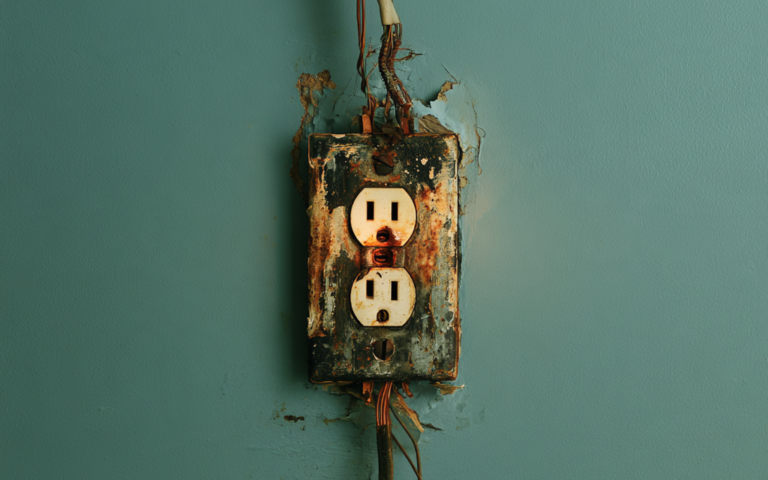
Burning Smell or a Hot Electrical Panel
Why does your panel cabinet feel warm, or why do you catch a faint burning or “hot plastic” smell near it? Treat that burning smell or hot panel as an urgent warning, not a nuisance. Heat can signal loose terminations, arcing, damaged insulation, or an overloaded bus—conditions that violate safe operating temperatures and can escalate into fire. Don’t open the panel or tighten lugs yourself; even with the main off, parts may remain energized. Instead, shut off sensitive loads, keep the area clear, and call a licensed electrician to test with thermal imaging, torque to manufacturer specs, verify conductor sizing, and inspect neutral/ground bonding. If components show heat damage, plan an upgrade using modern, smart-load-ready gear.
Breakers Trip Often in Your Salem Home
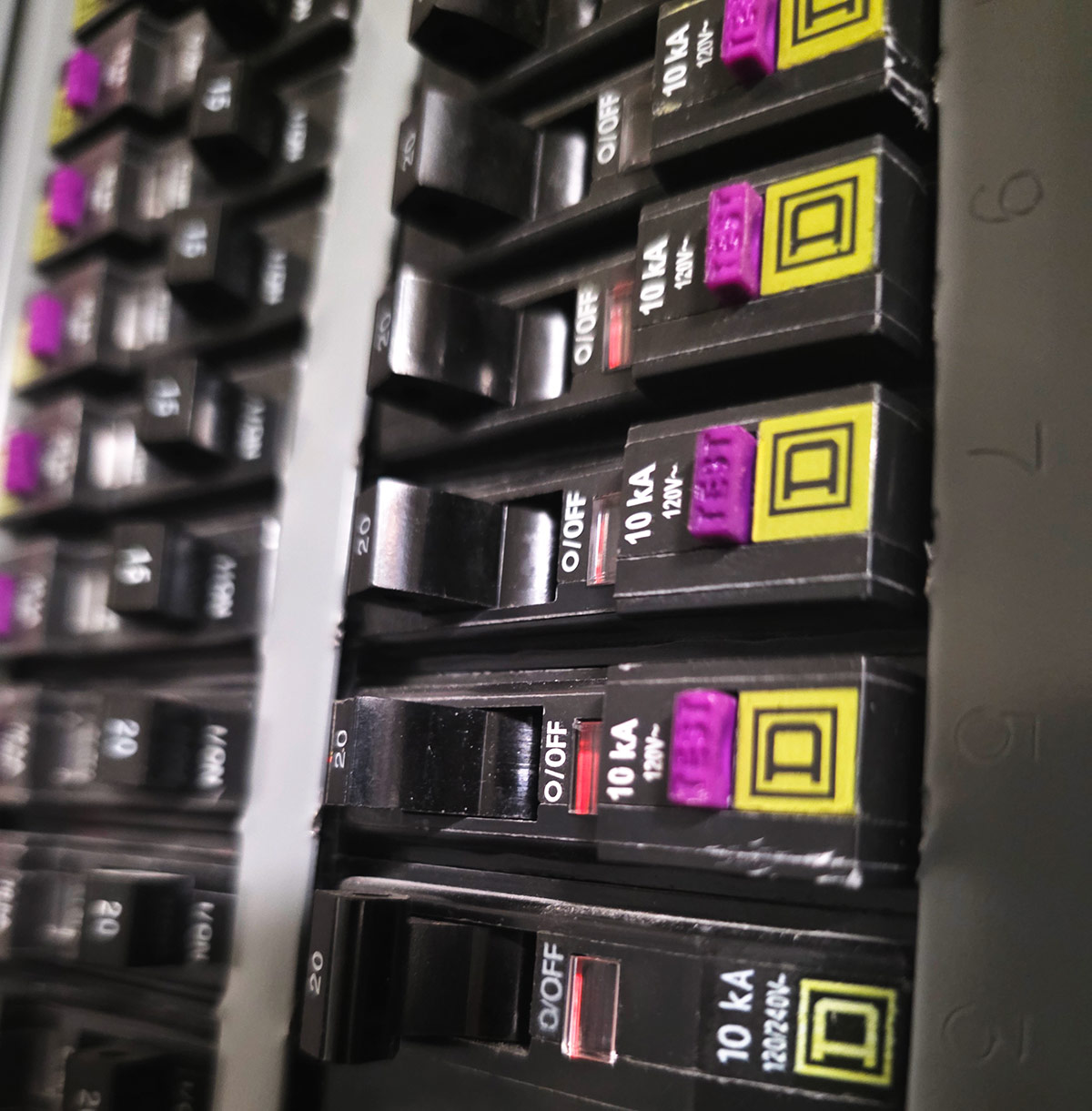
How often do your breakers trip in your Salem home—weekly, daily, or anytime you run the microwave, space heater, or AC together? Frequent trips aren’t “normal”; they’re your system’s protective response to overloading circuits, deteriorated breakers, or a panel that can’t support modern loads. If you’re resetting breakers often, you’re masking a capacity or equipment issue that should be evaluated under current NEC requirements.
Don’t upsize breakers or swap fuses as a workaround—incorrect overcurrent protection can overheat conductors and violate code. Instead, have a licensed electrician perform a load calculation, verify conductor ampacity, test breaker performance, and inspect bus connections for damage. A properly sized upgrade with smart labeling, AFCI/GFCI coverage, and panel safety upgrades restores reliability and supports future tech.
Lights Flicker When Big Appliances Start
Frequent breaker resets often show up alongside another warning sign: lights that flicker or dim when the fridge compressor, well pump, dryer, or central AC kicks on. That quick dip usually means the startup surge is pulling voltage down on a shared circuit, or a loose neutral, worn breaker, or corroded connection is adding resistance. Those flicker causes aren’t cosmetic; they can overheat conductors, stress electronics, and violate safe operating limits under NEC principles.
You shouldn’t “solve” it with oversizing breakers or swapping bulbs. Instead, have a licensed electrician torque and test terminations, verify grounding and bonding, and measure voltage drop under load. Smart appliance load balancing and dedicated circuits can stabilize startup demand while keeping your system safer and more efficient.
Your Salem Electrical Panel Is Outdated or Too Small
When did your home’s electrical demands last match what your panel can safely deliver? If your Salem house still runs on an outdated panel, you may be relying on legacy amperage that can’t support modern loads under today’s NEC expectations. An undersized service often forces breakers to operate near their limits, raising heat and nuisance trips. You’ll want a licensed electrician to verify service rating, bus condition, bonding/grounding, and conductor sizing before failures occur.
Look for these size-and-age red flags:
- Fuses, obsolete brands, or no main disconnect
- Crowded wiring, double-tapped breakers, or corrosion
- Frequent breaker trips that point to insufficient capacity
Upgrading gives you safer fault protection, cleaner power distribution, and room for smart-home expansion without overloading circuits.
Your Electrical Panel Lacks Circuits for EV or HVAC
An undersized or aging panel doesn’t just trip breakers—it also leaves you without the dedicated capacity that high-demand equipment requires. If you’re adding a Level 2 charger, you need a correctly sized 240V circuit, proper breaker rating, and available spaces to meet EV capacity without overloading existing loads. The same goes for heat pumps, condensers, and electric air handlers: HVAC compatibility often requires dedicated circuits, correct MCA/MOCP sizing, and reliable fault protection. When your panel is full, you may see doubled-up breakers, nuisance trips, or deferred upgrades. A modern panel upgrade gives you room for new circuits, cleaner load management, and safer grounding and bonding. It also positions your home for smart energy monitoring and future electrification.
Frequently Asked Questions
How Much Does an Electrical Panel Upgrade Cost in Salem, NH?
In Salem, NH, you’ll typically pay $2,000–$5,500 for an electrical panel upgrade, with complex jobs reaching $7,500+. Your price depends on amps (100/200), service-mast work, permit fees, utility coordination, AFCI/GFCI requirements, and grounding upgrades. Do a cost comparison across licensed electricians who follow NEC and local amendments. Prioritize safety considerations: labeled breakers, correct conductor sizing, torque specs, and inspection sign-off. Ask for load calculations.
Do I Need a Permit for an Electrical Panel Replacement in Salem?
Yes—you’ll need a permit for an electrical panel replacement in Salem, NH. You should pull it through the town’s building/electrical office and schedule required inspections so your work stays code-compliant and insurable. Follow local permit requirements and New Hampshire licensing rules: you can’t legally replace a service panel unless you’re a licensed electrician (or the allowed homeowner exception applies). Coordinate utility disconnect/reconnect and verify grounding, bonding, and ampacity.
How Long Does a Typical Panel Upgrade Take From Start to Finish?
A typical panel upgrade can feel lightning-fast, and you’ll usually finish in one day, about 4–8 hours, plus inspection. You’ll start with a site evaluation and load calculation, then schedule a utility disconnect for a safe, code-compliant swap. If you need a service upgrade, meter work, or correction of grounding bonding, you may need a second visit. You’ll restore power after torque checks, labeling, and test.
Will the Power Be Shut off During the Panel Upgrade, and for How Long?
Yes, you’ll have the power shut off during a panel upgrade. You should expect an outage of about 4–8 hours, though complex service changes can push it closer to a full day. You’ll coordinate with the utility for a safe disconnect/reconnect, and your electrician will stage loads to minimize downtime. This code-compliant approach supports electrical code updates and can protect north property value long-term while meeting modern tech demands.
Can Homeowners Insurance Require a Panel Upgrade for Older Electrical Systems?
Yes—your homeowners insurance can require a panel upgrade when an older system increases risk. Nearly 50,000 U.S. home electrical fires occur each year, so insurers flag outdated panels, fuses, aluminum wiring, or recalled brands. You can’t treat it as an unrelated topic or irrelevant issue; they may demand proof of a licensed, permit-pulled, code-compliant upgrade to renew, bind, or pay claims. Ask for underwriting guidelines in writing.
Conclusion
If you’ve noticed burning smells, a hot panel, frequent trips, or flickering lights, you can’t ignore the warning signs. An outdated or undersized Salem, NH panel can become a fuse waiting to blow, especially as EV chargers and modern HVAC add load. You should schedule a licensed electrician to inspect, calculate demand, and verify grounding, bonding, and breaker sizing. Don’t replace breakers as a “fix”—upgrade the panel safely and to code.