
Your switches and outlets may need rewiring if you notice warmth, burning odors, buzzing, sparks, discoloration, loose receptacles, shocks, or flickering lights. Repeated breaker trips or blown fuses can also signal overloaded circuits, damaged conductors, or failing connections. Stop using the affected circuit, switch it off at the panel if safe, and don’t repeatedly reset breakers. Have a licensed electrician perform code-compliant diagnostics, especially in older homes with aluminum wiring or fuse boxes. Learn which warning signs require urgent action.
Urgent Electrical Warning Signs to Never Ignore
Some electrical symptoms demand immediate action, not troubleshooting at the outlet. Treat repeated tripped breakers or blown fuses during normal use as urgent electrical warning signs of overloaded circuits, loose connections, or wiring faults. You shouldn’t reset a breaker repeatedly; isolate the circuit and schedule a licensed electrician’s inspection to prevent a fire hazard.
Watch for flickering or dimming lights, particularly across several rooms or when equipment starts. These warning signs can indicate unstable voltage or failing shared-circuit connections. Buzzing or sizzling at a fixture, switch, or receptacle also requires immediate professional diagnosis. Don’t use damaged switches or outlets, and don’t dismiss outlets that feel warm. In older homes, aluminum wiring, legacy fuse boxes, and humidity-driven corrosion can accelerate connection failures. Upgrade decisions should follow code-compliant testing, load analysis, and targeted rewiring.
Burning Smells, Hot Outlets, and Scorch Marks
If you smell burning plastic near a switch or outlet, shut off the circuit immediately and call a licensed electrician, as loose or corroded connections may be overheating. You shouldn’t ignore a warm outlet or switch plate, because heat can indicate high-resistance connections that require code-compliant repair. Brown discoloration, scorch marks, or melted plastic can signal arcing and an active fire risk.
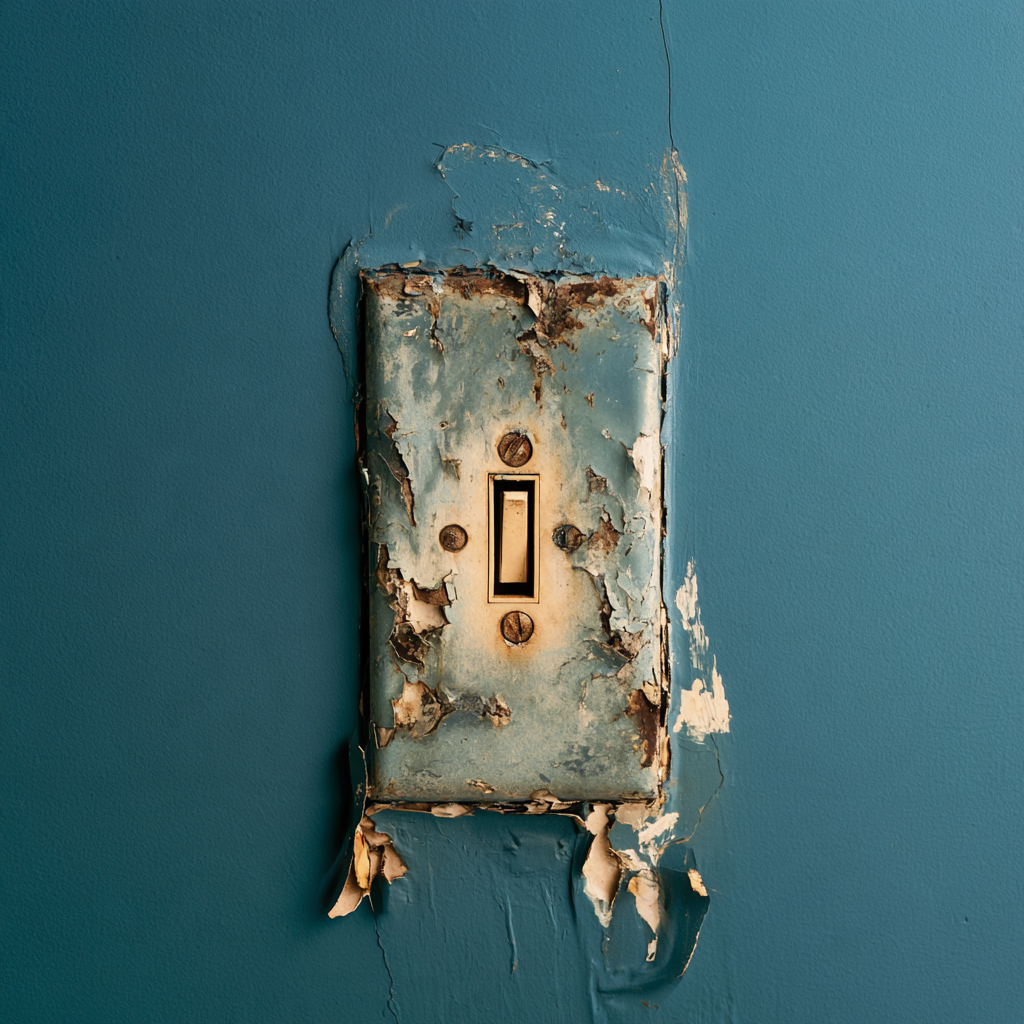
Burning Odors Signal Danger
A burning odor near a switch, outlet, or adjacent wall signals possible overheating or electrical arcing behind the cover, creating an immediate fire risk. Don’t dismiss burning smells or hot plastic as temporary issues. Turn off the affected circuit at the panel if you can do so safely, and arrange prompt diagnosis by a licensed electrician.
Inspect electrical outlets and light switches only visually. Scorch marks, browned cover plates, melted receptacle plastic, or a smoke-like odor can indicate insulation damage from loose connections or overheating wires. Buzzing or sizzling alongside an odor suggests active arcing, even when the breaker remains on. Older aluminum wiring and outdated fuse equipment increase the likelihood of corrosion-related failures. A qualified electrician can test terminations, verify grounding and circuit protection, and make code-compliant repairs before a localized fault becomes a fire.
Hot Outlets Require Action
Heat at an outlet, switch plate, or faceplate demands the same urgent response as a burning odor: stop using it, shut off the circuit breaker, and contact a licensed electrician. Hot outlets require action because heat can indicate overheating wires, loose connections, or faulty wiring that creates serious fire risk. In humid, salty coastal environments, corrosion can accelerate connection failure.
- Trust your instincts when you notice hot plastic smells near an outlet; your home may be signaling danger.
- Don’t replace a warm cover plate and assume the problem is solved; have an electrician inspect the circuit, terminations, and load.
- Request code-compliant diagnostics, including modern testing for resistance and damaged conductors, to determine whether you need a full rewire or targeted connection replacement.
Act quickly; you’re protecting your family, property, and electrical system.
Scorch Marks Indicate Arcing
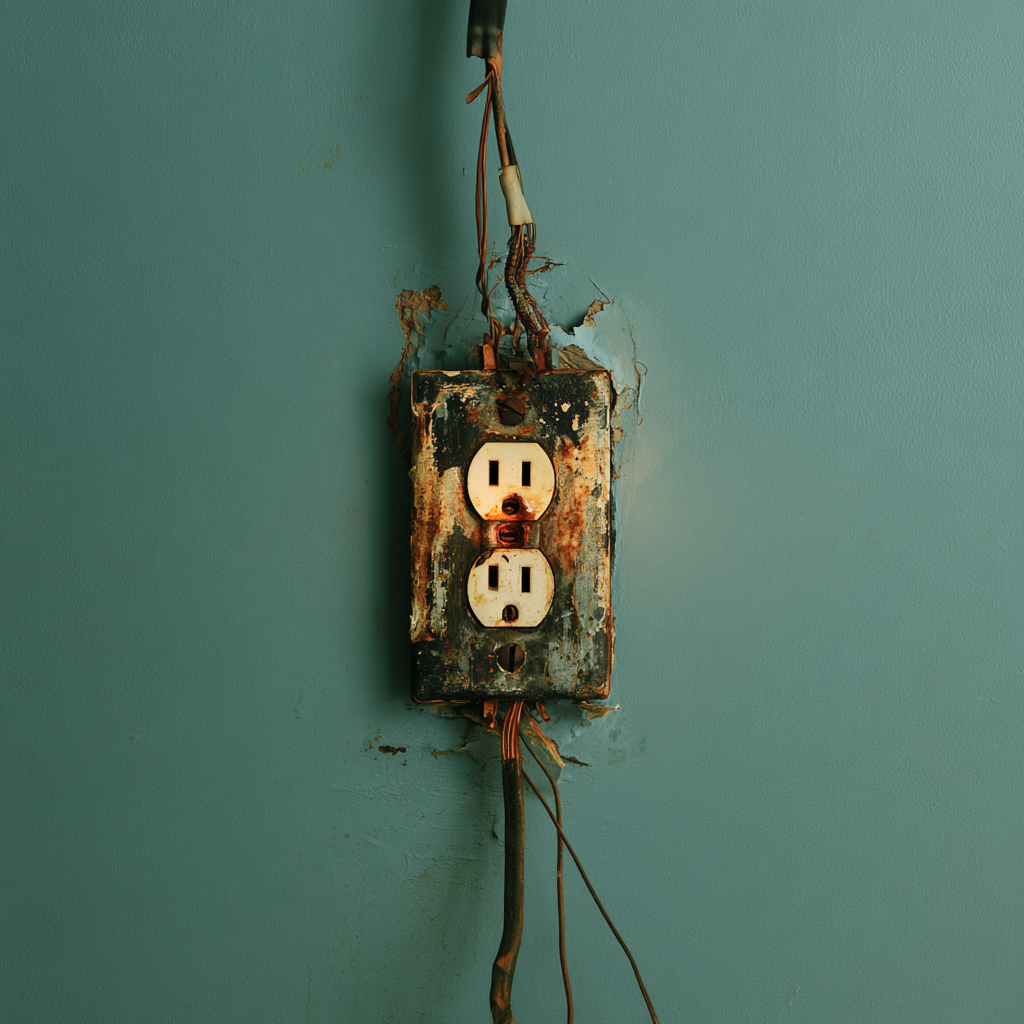
Brown or black scorch marks on a switch plate or outlet cover often signal electrical arcing from a loose, corroded, or overheating connection inside the box. Don’t treat discoloration on outlet covers or switch plates as cosmetic damage. It can indicate loose connections creating resistance, heat, and a potential ignition source.
If you smell burning or hot plastic, find warm outlets, see sparks during use, or notice melted socket material, shut off the affected circuit at the breaker immediately. Don’t keep testing the device or cover the evidence. Have a licensed electrician inspect the box, terminations, wiring, and breaker protection using code-compliant diagnostic equipment. Older homes, especially those with aluminum wiring, need prompt evaluation because oxidation can accelerate arcing and overheating. Smart monitoring may detect abnormal load patterns, but it can’t replace a professional repair.
Shocks or Tingling From Switches and Outlets
If you feel a shock, tingling, or prickly sensation from a switch, outlet, or cord, treat it as evidence of a grounding fault, energized component, or failing connection. Stop using the affected circuit at the consumer unit and arrange prompt testing by a licensed electrician, especially in damp areas or when multiple devices are involved. Rewiring may be necessary if testing identifies damaged conductors, inadequate grounding, or unsafe upstream connections.
Why Tingling Signals Danger
Why does a switch, outlet, cord, or nearby grounded metal surface make you feel a tingling “zap”? It can mean energized components are contacting you through loose connections, failed grounding, or deteriorated insulation behind your walls. These are serious signs of wiring issues, not minor annoyances.
- A buzz or sizzle with tingling may signal arcing, creating heat that can trigger Electrical fires.
- Coastal humidity can corrode junctions, panel hardware, and grounding paths, producing abnormal voltages you can feel.
- Because the fault may be hidden, your home may need diagnostic testing—not a DIY repair.
Treat every zap as a potential shock hazard. Stop using the affected circuit, note when and where it occurs, and have a licensed electrician test outlets, switches, and connections for code-compliant repairs.
Immediate Steps to Take
A tingling switch or outlet requires immediate action: shut off the affected circuit at the breaker, stop using the area, and call a licensed electrician. Don’t touch exposed components or plug in another device to test it.
Treat sparks, sizzling, buzzing, burning-plastic odors, scorch marks, or brown discoloration as urgent electrical signs. If outlets warm or switch plates feel hot, turn off the circuit breaker and keep nearby equipment disconnected; these conditions elevate fire risk. Don’t repeatedly reset a tripped breaker, as recurring lockouts can signal a concealed fault requiring diagnostic testing by a qualified electrician.
While you wait, don’t use extension cords, adapters, or alternate outlets to bypass the problem. Note whether flickering lights occur and tell the electrician if your home has aluminum wiring. Keep the area clear, powered down, and inaccessible to children.
When Rewiring Is Needed
Tingling or shocks from a switch, outlet, or plug signal a possible grounding failure, loose connection, or energized metal component behind the wall—not a harmless nuisance. You need an electrician to test the circuit, verify grounding, and determine whether you need rewiring or partial rewiring.
- Sparks or sharp arcs: Don’t dismiss the flash. Arcing can degrade insulation and raise the risk of fire.
- Trips plus tingling: Frequent breaker trips with shocks may indicate a fault pathway, not merely overloaded circuits—especially when lights flicker.
- Heat, odors, or discoloration: Shut off the affected circuit immediately. Warm plates or burning smells demand code-compliant diagnostic testing.
In older homes, particularly those with outdated panels or aluminum wiring, oxidation can create dangerous resistance and leakage. Modern testing helps isolate defects before they become an emergency.
Loose, Damaged, or Discolored Outlets
Loose, damaged, or discolored outlets can signal overheating, arcing, or failing connections that require prompt attention. Loose outlets may spark when you plug in devices because terminals behind the wall no longer grip conductors securely. Damaged outlets, including cracked plates, broken receptacles, or scorch marks, can indicate prior heat damage and growing safety hazards. If you see brown staining, melted plastic, or feel warmth at a cover, stop using it immediately. These symptoms may reflect degraded wiring insulation or high-resistance connections within your home wiring.
Check whether several outlets on one circuit feel warm or show discoloration. That pattern can reveal a broader termination problem, not an isolated receptacle. Don’t rely on cosmetic replacement alone. Have a licensed electrician perform a full inspection, test connections, and make code-compliant repairs before you restore power.
Frequent Breaker Trips and Blown Fuses
Frequent breaker trips or blown fuses can signal more than routine overloads—they may indicate undersized circuits, deteriorating wiring, or a fault behind the walls. Don’t keep resetting; repeated interruptions can expose your family and connected devices to heat damage. Older homes wiring, especially 60- or 100-amp service, may not support modern loads safely.
- Track each Frequent Circuit trip: note appliances, rooms, and timing to reveal patterns.
- If your home has aluminum wiring, request a licensed inspection; oxidized connections can overheat.
- Ask whether targeted Electrical Rewiring or a code-compliant panel upgrade will resolve outdated wiring and failed connections.
A qualified electrician can test panel, outlet, switch, and junction connections for resistance or arcing. That diagnostic approach identifies whether blown fuses reflect overloads or risks requiring durable modernization.
Flickering Lights and Buzzing Switches
If your lights flicker or dim when appliances start, you may have a loose connection or overloaded circuit. You shouldn’t ignore buzzing or humming from switches, outlets, or fixtures, as it can indicate arcing behind the wall. If you notice heat, scorch marks, or a burning-plastic smell, shut off the affected breaker and call a licensed electrician.
Persistent Light Flickering
Persistent flickering—especially when a vacuum, microwave, or other high-demand appliance starts—can signal a voltage drop or loose connection on the circuit. Don’t dismiss it as a bulb issue. Persistent light flickering can reveal stress within your homes electrical system, particularly with old wiring, aluminum conductors, or corroded terminals. If lights dim across multiple rooms, ask a licensed electrician to test the circuit and electrical panel using code-compliant diagnostic tools.
- Feel protected: If a faceplate feels warm, switch off the affected circuit immediately.
- Act before damage grows: Scorch marks or a burning odor indicate potential arcing and serious fire risk.
- Upgrade with confidence: Targeted rewiring can improve reliability, capacity, and readiness for modern smart-home loads.
A professional can locate the loose connection safely and recommend corrective repairs.
Buzzing Switch Warning Signs
Why does a light switch buzz when you use it? Persistent humming can signal loose contacts, a failing switch, or early arcing behind the wall. These buzzing switch warning signs aren’t normal Electrical noise; resistance can overheat conductors and create a fire hazard.
If flickering lights occur with a buzzing switch, diagnose the shared circuit rather than blaming the bulb. Dimming during switching, louder noise near certain outlets, or buzzing under appliance load can reveal corroded connections, voltage instability, or an overloaded path. Track when and where the Signs occur to help an electrician test efficiently.
For a safer, smarter Home upgrade, don’t attempt to rewire energized devices yourself. If you notice heat, scorch marks, or a burning smell, turn off the affected breaker immediately. Have a licensed electrician inspect the switch, circuit, and outlets, then rewire code-compliantly.
Old Wiring That May Need Rewiring
Older wiring can hide behind otherwise normal-looking switches and outlets, so you should watch for warm faceplates, discoloration, scorch marks, buzzing, sparks, or a shock sensation. These signs point to failing connections or insulation. In coastal Northeast Florida, homes built before the late 1980s may have corrosion accelerated by humid, salty air. Aluminum cable marked “AL” or “ALUMINUM” also needs professional evaluation.
- Don’t ignore the fear of a hot outlet; shut off the circuit and call a licensed electrician.
- If you still rely on a fuse box with screw-in fuses, request a code-compliant assessment.
- Modern diagnostic testing can identify old wiring defects before failure increases the risk of fire.
To Tell If Your Home needs rewiring, have affected circuits inspected, not repeatedly reset or patched.
Outdated Electrical Panels and Fuse Boxes
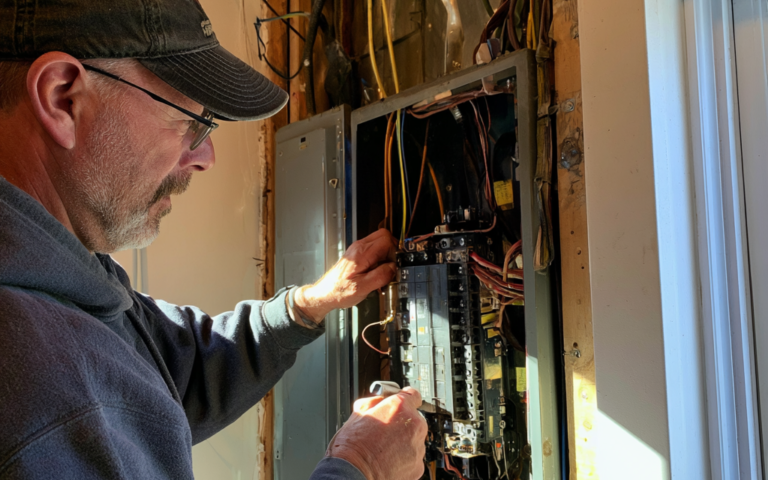
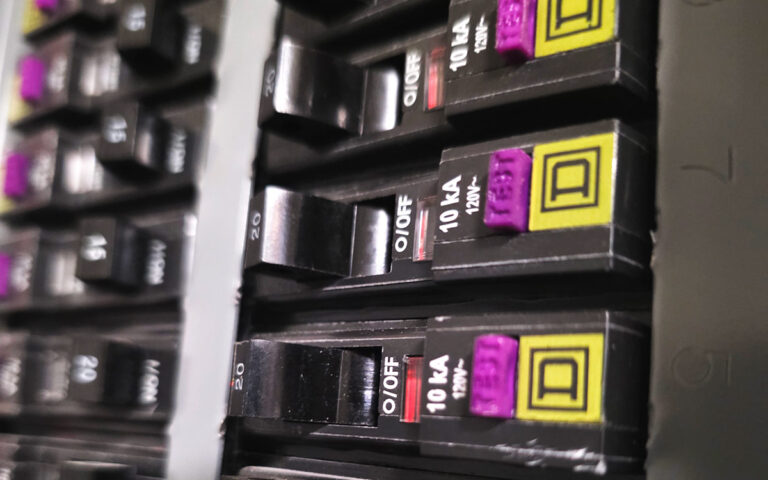
The service panel can reveal whether your home’s electrical system has kept pace with modern safety demands. If you have outdated electrical panels or screw-in fuse boxes, your system may need a code-compliant upgrade and wiring evaluation. Many houses built before the late 1980s rely on 60- or 100-amp service, which may not safely support modern power demands.
Check for rust, heat marks, loose connections, or frequent breaker and fuse replacements. These conditions can signal deterioration and elevate the risk of a serious fire. Aluminum wiring, common in homes from the mid-1960s through mid-1970s, can oxidize at terminals and create dangerous heat. Don’t assume a new panel alone fixes the issue. Have a licensed electrician inspect the panel and connected wiring to determine whether targeted repairs or full rewiring will deliver safer, smarter performance.
Overloaded Circuits and Too Few Outlets
Frequent breaker trips, blown fuses, or lights that dim when a microwave, vacuum, or hair dryer starts can indicate an overloaded circuit. In older homes, limited panel capacity and aging copper wiring may not support today’s connected lifestyle. Multiple rooms flickering at once, especially around light fittings, warrants a professional capacity review.
- Notice whether circuit breakers trip when you run space heaters, window AC units, or chargers from one location.
- Treat frequent extension cords and power strips as a warning that you have too few outlets.
- Don’t ignore warm outlets or recurring overloads; they raise the risk of electrical overheating behind walls.
Code-compliant rewiring can add dedicated circuits and strategically placed outlets, giving your home safer, smarter capacity for modern devices.
What to Do Before Calling an Electrician
Before you call an electrician, make the area safe and record the symptoms: if a switch or outlet feels hot, looks discolored, shows scorch marks, or smells like burning, turn off that circuit at the consumer unit and don’t use it again. This reduces fire risk in your house.
Note when faults occur—such as lights dimming when the microwave starts, daily breaker trips, or buzzing near a switch—and identify affected rooms. Check for loose plates, cracks, melted plastic, or charred backplates, but don’t remove covers. Gather your home’s age, prior wiring or panel work, and any “AL” or “ALUMINUM” markings; coastal humidity can accelerate corrosion. Don’t fit replacement breakers or rely on extension cords. Share your notes with a licensed electrician to determine whether your Home Needs repairs, a rewiring project, a complete rewire, or a new electrical panel to make your home safer.
Frequently Asked Questions
How Much Does It Cost to Rewire a $2000 Sq Ft House?
You’ll typically pay $6,800–$14,000 to rewire a 2,000-square-foot Jacksonville/St. Augustine home, plus $2,000–$4,500 if you need a 100-to-200-amp panel upgrade. Costs reflect permitting and labor, access, and wiring material types. Use safety inspection tips to identify signs of overheating, outlet age indicators, and breaker compatibility. Ask your electrician whether GFCI vs AFCI protection meets current code and supports future smart-home loads.
Can I Upgrade My Electrical Panel Without Rewiring My House?
Yes, you can upgrade your electrical panel without rewiring your whole house, but you shouldn’t assume it eliminates safety risks. Your electrician must define the panel scope, perform a wiring inspection, and verify circuit capacity, connections, and insulation condition. Breaker upgrades may improve protection, yet code compliance can require AFCI/GFCI additions. Consider long-term cost considerations: targeted rewiring often delivers a safer, smarter electrical system than a panel-only upgrade.
At What Age Should a House Be Rewired?
Plan a professional electrical assessment when your home reaches 40–45 years old, sooner if you notice Signs of old wiring. Prioritize aluminum wiring safety, knob tube hazards, and outdated two prong outlets. Don’t ignore frequent breaker trips, burning odor detection, or flickering lights indicators. You’ll improve code compliance, capacity, and smart-home readiness by having a licensed electrician test circuits, grounding, panel condition, and connections before deciding whether partial upgrades or a full rewire fits your needs.
How Much Should a Full House Rewire Cost?
A full-house rewire costs like a major system upgrade: about $6,800–$14,000 for a 2,000-square-foot Jacksonville-area home. You may pay $2,000–$4,500 more for a 200-amp panel. Signs of Rewiring, Safety Concerns, Aluminum Wiring, Outlet Upgrades, GFCI Requirements, Permit Costs, and an Electrical Inspection affect pricing. You’ll get the safest, code-compliant result by choosing a licensed electrician who maps circuits, verifies capacity, and plans scalable technology-ready improvements.
Conclusion
Your switches and outlets shouldn’t smell like smoke, feel warm, spark, buzz, or shock you. Treat scorch marks, loose receptacles, repeated breaker trips, and aging panels as warning flares—not minor inconveniences. Don’t cover the problem with extension cords or larger fuses. Turn off power if you can do so safely, avoid touching damaged equipment, and call a licensed electrician. You’ll protect your home from hidden, heat-building hazards and bring your electrical system closer to current code.