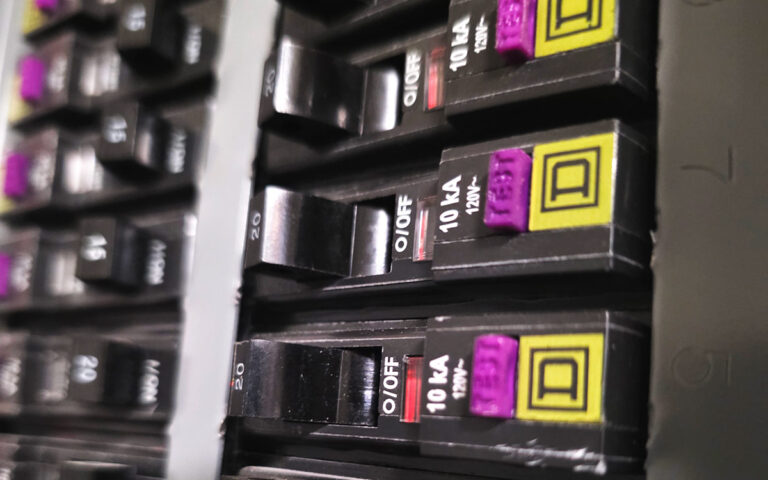
Heat pumps have become one of the most popular home upgrades in New Hampshire, and for good reason. Modern cold-climate models keep working in serious cold. According to the U.S. Department of Energy, cold-climate heat pumps are designed to perform in temperatures as low as 5°F. NH Saves utility rebates can also take a real bite out of the cost.
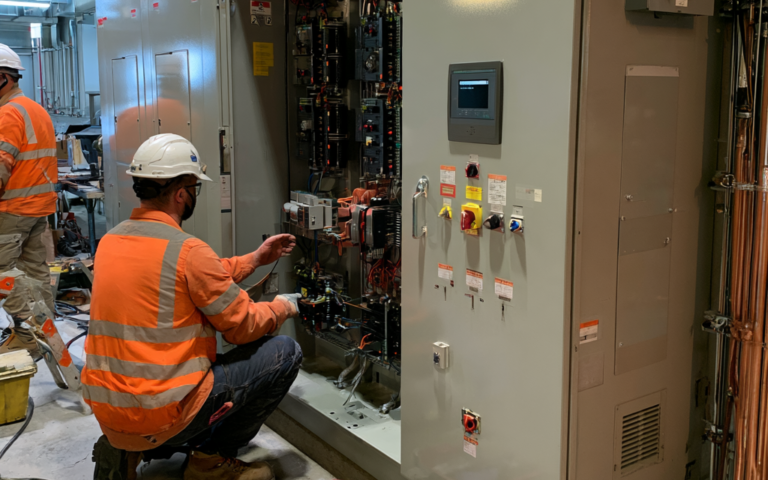
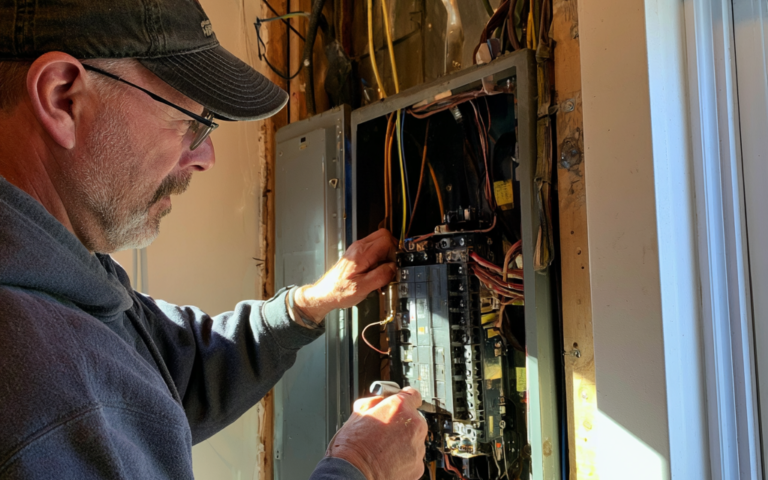
There’s a catch many homeowners don’t find out about until installation day: the electrical panel. If yours can’t handle the new load, the project stalls. With a year-end deadline approaching, a stalled project can mean a missed rebate.
The deadline: why timing matters this year
To count toward the 2026 NHSaves program year, heat pumps generally need to be installed by December 30, 2026. Rebate amounts depend on the system size, your utility and the fuel you’re replacing, so check current terms on NHSaves.com or with your installer.
HVAC contractors are busy in late fall. If your panel needs work, it has to happen before the heat pump can be connected. Scheduling the electrical side now keeps your project, and your rebate, on track.
Why heat pumps can strain an older panel
A heat pump usually needs its own dedicated 240-volt circuit, and often more than one for multi-zone systems. Many New Hampshire homes, especially those built before the 1990s, have:
- 100-amp service or less, sized for a time when homes heated with oil and had far fewer electric appliances
- A full panel with no open slots for new double-pole breakers
- Outdated or recalled panel brands that insurers and inspectors flag
- Other new loads on the way, such as an EV charger, heat pump water heater, induction range or electric dryer
Add it all up and an older service can run out of room fast.
7 signs your panel may need an upgrade first
- Your home has 60- or 100-amp service.
- There are no empty breaker slots, or there are lots of “tandem” breakers squeezed in.
- Breakers trip often, especially in winter.
- Lights dim when large appliances kick on.
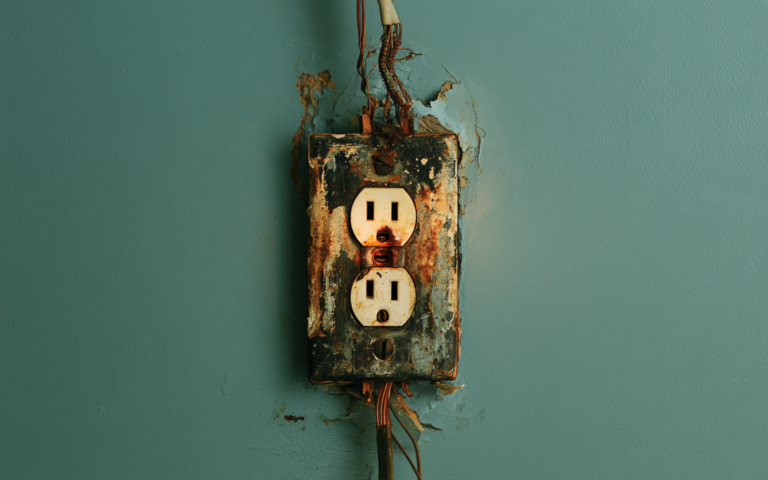
- The panel feels warm, buzzes, or shows rust or scorch marks.
- It still uses fuses instead of breakers.
- A home inspector or insurer has flagged it. We also handle inspection corrections.
If any of these sound familiar, have a licensed electrician do a quick load calculation before your HVAC contractor shows up.
100 amps or 200 amps?
There’s no one-size answer. A load calculation looks at your square footage, heating and cooling equipment, appliances and future plans. Some homes can add a single mini-split on existing service. Others, especially those going whole-home electric or adding an EV, are better off upgrading to 200-amp service in one project instead of two.
See our electrical panel upgrade services for what the process looks like. If your home also has old wiring, we can tell you whether whole-house rewiring makes sense as part of the project.
How we work with your HVAC contractor
TMB Electric regularly coordinates with heating and cooling installers across southern New Hampshire. We can:
- Do the load calculation and recommend the right service size
- Coordinate with the utility on service upgrades
- Pull permits and install the panel and dedicated heat pump circuits
- Have everything ready so the HVAC crew can connect and commission the system on schedule
For help choosing equipment, the ENERGY STAR heat pump guide is a good place to start.
Don’t let the panel be the reason you miss the rebate
If a heat pump is on your list this year, call us first. Schedule a panel and load assessment with TMB Electric in Salem, NH, and we’ll make sure your electrical system is ready before the December deadline.