

When executing complex commercial builds, industrial facility upgrades, or telecommunications installs, getting heavy equipment off the ground and onto its exact footprint is often the most critical phase. Whether you


The Hidden Dangers of Flickering Lights in Older New England Homes
Flickering lights in your older New England home can signal loose wiring, overloaded circuits, a compromised neutral, or deteriorating panel connections that generate dangerous heat. If several rooms flicker, especially
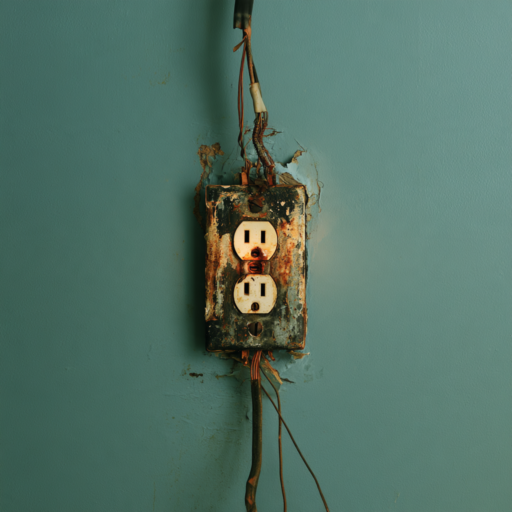
How to Tell If Your Home’s Light Switches and Outlets Need Rewiring
Your switches and outlets may need rewiring if you notice warmth, burning odors, buzzing, sparks, discoloration, loose receptacles, shocks, or flickering lights. Repeated breaker trips or blown fuses can also
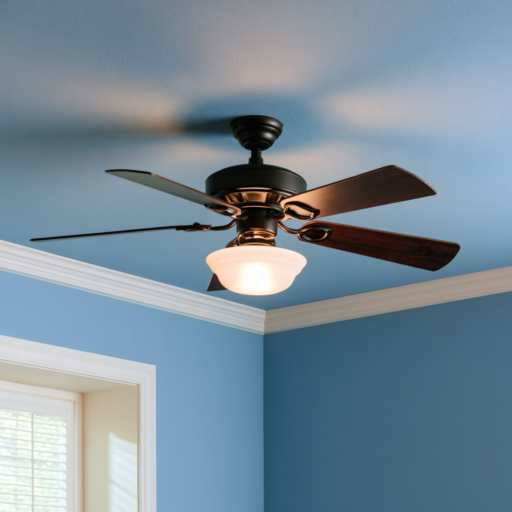
Can You Replace a Light Fixture With a Ceiling Fan Without Rewiring?
You can replace a light fixture with a ceiling fan without rewiring if the ceiling box is UL-listed for fan support and the circuit has a switched hot, neutral, and
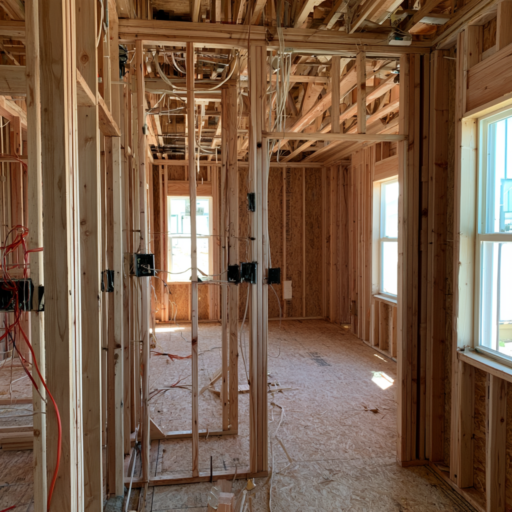
What to Expect During a Whole-House Rewiring Project: A Step-by-Step Homeowner Guide
During a whole-house rewire, you’ll start with an electrical assessment of your panel, circuits, grounding, outlets, and visible wiring. Your electrician will map loads, obtain permits, plan temporary shutdowns, remove
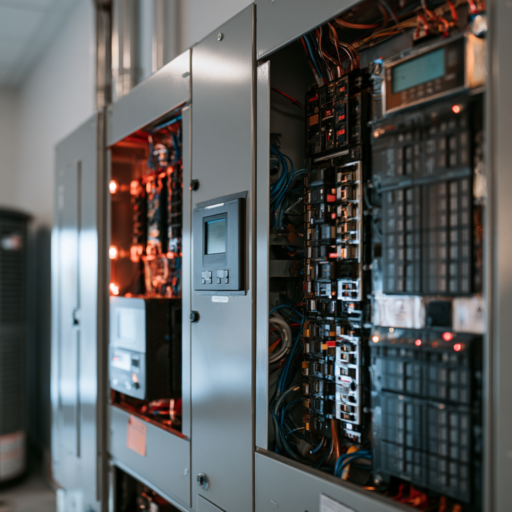
Upgrading to a Smart Electrical Panel: Benefits, Savings, and Generator Integration
Upgrading to a smart electrical panel gives you real-time circuit monitoring, controllable loads, and better planning for EV charging, solar, batteries, or a generator. You’ll typically pay $2,500–$5,000 installed, but

5 Smart Home Upgrades That Increase Your New Hampshire Property Value
To increase your New Hampshire property’s appeal, start with reliable whole-home Wi‑Fi, then add smart lighting, a programmable thermostat, visible security cameras, and smart locks. You’ll give buyers the comfort,

Low Voltage vs. Line Voltage Landscape Lighting: Which Is Right for Your New England Yard?
For most New England yards, you’ll want 12V low-voltage landscape lighting for its safer operation, flexible fixture placement, and easier seasonal service. A transformer reduces household current to 12V, while
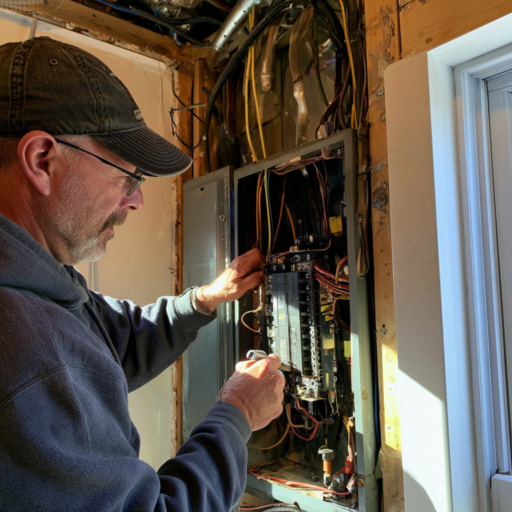
How Much Does an Electrical Panel Upgrade Cost in Southern NH & Northern MA?
In Southern New Hampshire and Northern Massachusetts, you’ll typically pay $2,000 to $5,500 for an electrical panel upgrade. Your final cost depends on whether you need 100-, 200-, or 400-amp
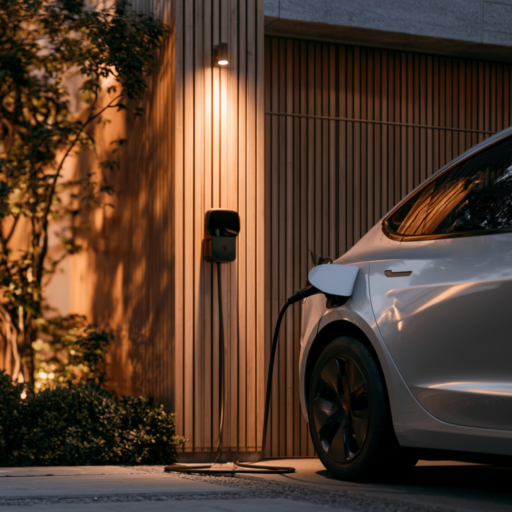
Level 1 vs. Level 2 EV Chargers: Why Plugging Into a Standard Outlet Isn’T Enough
A standard 120-volt Level 1 outlet adds only about 3 to 5 miles of range per hour, so it may not replace your daily driving overnight. A 240-volt Level 2
